2026-08-07 · 5 min read
Home Server vs. Hosting: Real Cost for a 4-Player Group
Someone in your group has a spare PC and offered to host. It sounds free — but running a game server 24/7 costs money in electricity, and more importantly, it costs someone their time every time something breaks at 11pm. Here's what the real comparison looks like for four players.
What "running it at home" actually requires
A home server needs to be on whenever your group wants to play. For a casual group with fixed play sessions, that might be three evenings a week. For a group where someone logs on spontaneously, it means 24/7 uptime.
The machine also needs stable upload bandwidth. Minecraft needs approximately 1–3 Mbps per player under normal play. Valheim and Palworld use more, especially during active combat or large base areas. On a typical residential connection, upload is the bottleneck, not download.
Someone has to maintain it. Updates, crashes, port forwarding, firewall rules, and dynamic IP changes if the host's ISP reassigns addresses — all of that lands on one person.
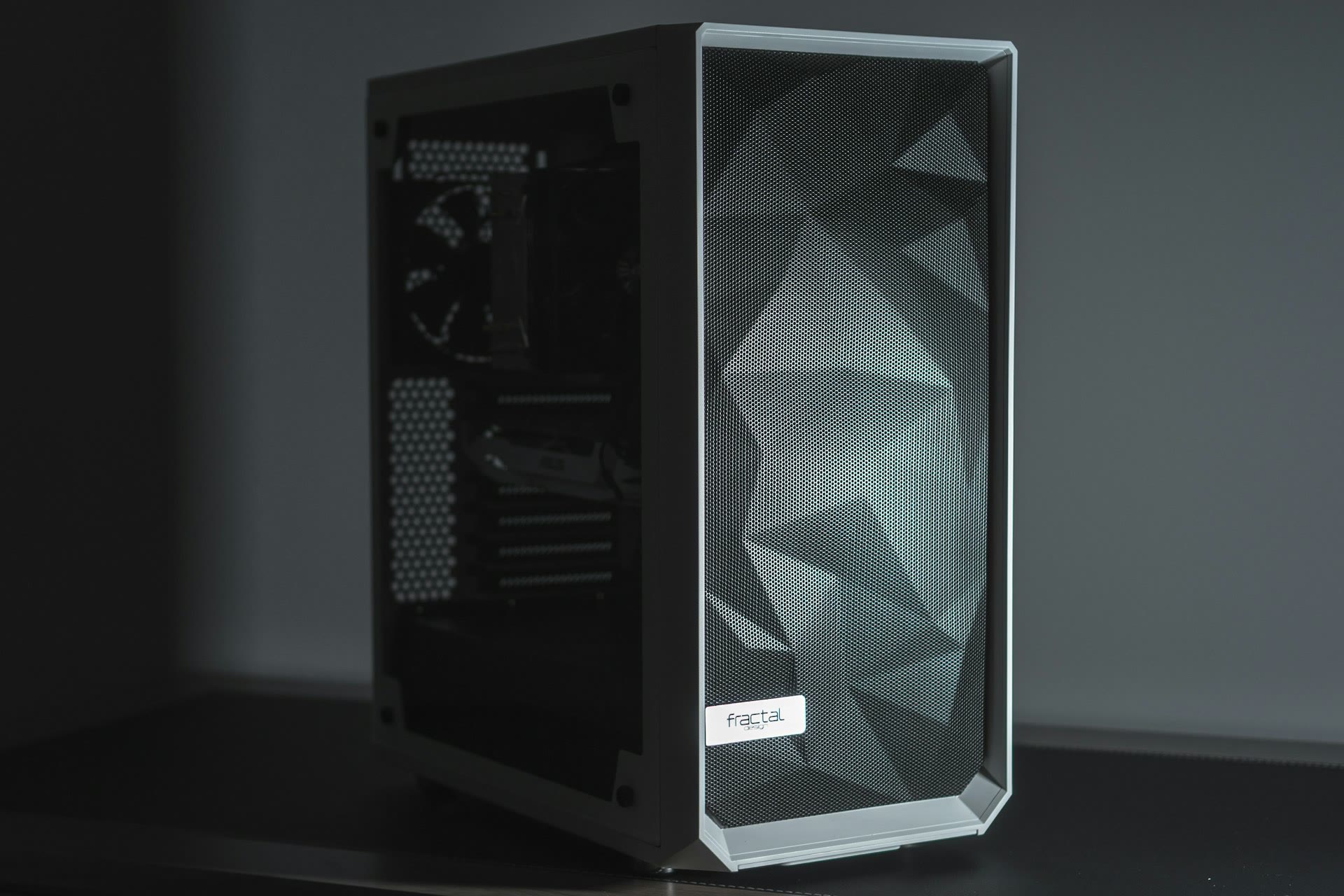
Electricity: the real monthly number
A mid-range desktop running at server load draws approximately 150–200W. The math is straightforward.
| Scenario | Hours/month | kWh/month | Cost at €0.25/kWh |
|---|---|---|---|
| 24/7 uptime | 720 h | 108 kWh | ~€27/month |
| On-demand (3 evenings/week, 4h each) | 48 h | 7.2 kWh | ~€2/month |
The €0.25/kWh figure is the EU average for residential electricity in 2026. Your actual rate may be higher or lower.
The gap between scenarios is large. A group with fixed play sessions pays essentially nothing in electricity. A group that wants the server available at any time pays €20–30/month in power alone — before hardware and time costs.

Hardware cost amortized
If the group already owns a suitable PC: the hardware cost is effectively zero in new spending. The machine exists, it's already paid for.
A purpose-built home server — a Raspberry Pi 5 or an Intel NUC — costs €100–200 upfront. Spread over 12 months, that's €8–17/month in hardware cost before electricity. Note that a Raspberry Pi 5 (ARM-based) is suitable for vanilla Minecraft with a small player count but is not suitable for large modpacks.
The "it's free" argument is accurate only when suitable hardware is already owned and idle. It stops being accurate the moment someone buys hardware specifically for this.
The hidden cost: your time
Every server-related problem lands on the person running the machine. Updates that break mods, crashes that corrupt a save, port forwarding that stops working after a router firmware update, a friend's connection dropping because the host's IP changed — all of it requires someone's time to diagnose and fix.
If that person enjoys the admin side of running a server, this is a hobby cost they're paying regardless. It's already part of what they do.
If that person doesn't enjoy it, or if the group is rotating the hosting responsibility, this is the real cost of home hosting — and it tends to be invisible until something breaks at a bad moment.
Side-by-side comparison
| Dimension | Home server | Managed hosting |
|---|---|---|
| Upfront cost | €0 (existing hardware) or €100–200 (new hardware) | €0 |
| Monthly cost | €2–27 in electricity (scenario-dependent) | Fixed monthly fee |
| Reliability | Depends on home internet and hardware | Datacenter uptime SLA |
| Setup time | 1–4 hours (OS, firewall, port forward, game install) | Under 5 minutes |
| Ongoing admin time | Variable — crashes, updates, IP changes all require intervention | Handled by host |
Neither column is universally better. The right answer depends on what your group values and who's doing the work.
When home hosting is the right answer
| Home hosting wins if… | Managed hosting wins if… |
|---|---|
| You already own suitable hardware | No one wants the admin role |
| You enjoy the setup and maintenance | You want the server available at any time |
| The group plays on a fixed schedule | Electricity cost exceeds the hosting fee |
| Your upload bandwidth is sufficient | You're on a metered or low-upload connection |
The calculation is mostly about the admin burden, not the money. For a group where one person genuinely enjoys running servers, home hosting costs almost nothing on a fixed schedule. For a group where the hosting person is doing it as a favor, the hidden costs accumulate quickly.
If you do go with hosting, Vanilla, Fabric, Forge, NeoForge: Which One Fits Your Crew? will help you pick the right server type.